Source background suppression opto electronic sensor for Turnstiles, Logistics, and Warehouse
Compare 30 background suppression opto electronic sensor models with varying sensing distances, output types, and protection ratings. These sensors support applications in turnstiles, logistics, and warehouse automation with options for capacitive principles and IP67 housing.
Key considerations
Products List


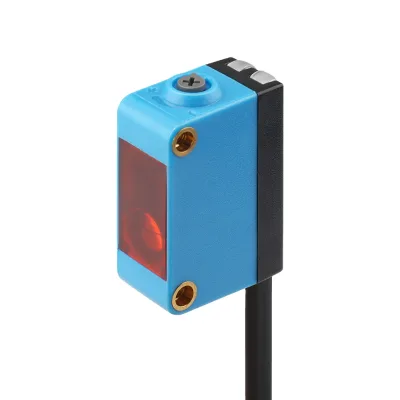
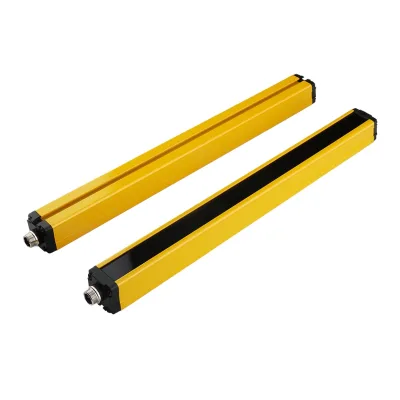


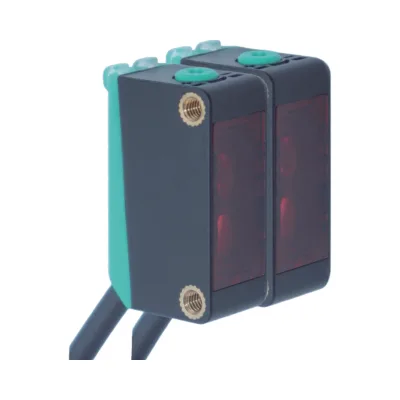


Comprehensive Sourcing Guide
Strategic Sourcing Guide for Background Suppression Opto-Electronic Sensors
Understanding Core Technical Specifications and Operating Principles
When sourcing background suppression opto-electronic sensors, buyers must first distinguish these devices from standard photoelectric sensors. The primary differentiator lies in the ability to ignore objects located behind the target, ensuring that only the intended object triggers the sensor regardless of the distance to the background. This capability is critical in high-density environments where clutter or moving machinery could otherwise cause false triggers. The fundamental operating principle for many of these units relies on capacitive or inductive sensing mechanisms, though optical variants often utilize modulated light sources to enhance signal-to-noise ratios.
A critical specification to verify is the sensing distance and detection range. In the current market, observed ranges vary significantly, with some units offering a detection span of 2 to 30 millimeters, while others are engineered for longer ranges up to 200 centimeters. This variance dictates the suitability of the sensor for specific tasks, such as precise part counting on a conveyor versus detecting large pallets in a warehouse. The output signal type is another non-negotiable parameter; buyers should confirm whether the device provides a switching type output, typically configured as NPN or PNP. The choice between these output types depends entirely on the existing PLC or controller architecture of the buyer's facility.
Light source technology also plays a pivotal role in performance. Many modern sensors utilize visible infrared LEDs or modulated infrared LEDs to minimize interference from ambient light. For instance, specific models are rated to withstand ambient brightness levels of up to 30,000 lux under direct sunlight and 3,000 lux under fluorescent lighting. This resilience ensures consistent operation in diverse industrial settings, from outdoor logistics hubs to indoor assembly lines. Furthermore, the switch frequency, often observed at 1kHz, determines the maximum speed at which the sensor can detect moving objects without missing cycles.
Compliance, Certification, and Safety Standards
In the global B2B market, compliance with international safety and quality standards is a prerequisite for procurement. Buyers must rigorously verify that the sensors carry recognized certifications, such as the CE mark, which indicates conformity with health, safety, and environmental protection standards for products sold within the European Economic Area. While specific certification status varies by manufacturer, the presence of the CE mark is a strong indicator of adherence to baseline regulatory requirements.
Safety classifications are equally important, particularly regarding laser and optical safety. Some advanced optical sensors are classified as Laser Class 1, meaning they are safe under all conditions of normal use and do not pose a risk to human eyesight. This classification is essential for applications where maintenance personnel or operators might be in close proximity to the sensor beam. Additionally, the housing material and degree of protection are critical for environmental compliance. A standard requirement for industrial-grade sensors is an IP67 rating, which guarantees protection against dust ingress and temporary immersion in water. This level of protection is vital for applications in wash-down environments or outdoor logistics centers where exposure to moisture and debris is common.
The physical construction of the sensor also impacts its compliance with electromagnetic compatibility (EMC) standards. Features such as anti-electromagnetic interference capabilities are often highlighted in product specifications, ensuring that the sensor operates reliably in environments with high electrical noise from motors or variable frequency drives. Buyers should also check for reverse polarity protection circuits, which safeguard the device against incorrect wiring, a common cause of equipment failure in industrial settings.
Cost Drivers and Pricing Variables
The pricing of background suppression opto-electronic sensors is influenced by a complex matrix of technical specifications, material costs, and production complexity. Observed market data indicates a wide price range, spanning from approximately $8.50 to $1,443 per unit. This broad spectrum reflects the diversity in sensor capabilities, from basic detection units to high-precision, multi-function devices with advanced communication protocols.
Material composition is a primary cost driver. Sensors constructed with high-grade housing materials, such as ABS plastic combined with PMMA lens covers, often command higher prices due to the durability and optical clarity they provide. The integration of complex internal circuitry, such as modulated light sources and sophisticated output switching logic, also adds to the manufacturing cost. Furthermore, the production process, which may involve advanced integration techniques, influences the final price point.
Minimum Order Quantity (MOQ) requirements significantly impact the effective unit cost. Suppliers typically offer tiered pricing structures where the MOQ ranges from 1 unit for prototyping to 1,000 units for bulk procurement. Buyers must balance their immediate needs against the potential for volume discounts. Customization is another factor that can alter the cost structure. While many suppliers offer standard models, customized solutions involving specific cable lengths, unique mounting configurations, or tailored output signals often incur additional charges and longer lead times.
Typical Industrial Applications and Deployment Scenarios
Background suppression sensors are indispensable in modern automation, particularly where space is constrained and background interference is a risk. One of the most prevalent applications is in turnstile systems, where precise detection of human presence is required to control access without triggering on the background structure of the gate. Similarly, in logistics and warehouse management, these sensors are used for package detection, pallet counting, and conveyor belt monitoring. The ability to ignore objects behind the target allows for accurate counting even when items are stacked closely together.
In manufacturing environments, the sensors are deployed for part detection on assembly lines. The specific detection range of 2 to 30 millimeters makes them ideal for identifying small components, while the 200-centimeter range supports larger scale operations. The compact form factor of some models, with dimensions around 14.3mm x 22mm x 8.5mm, allows for installation in tight spaces where traditional sensors would not fit.
The versatility of these devices extends to various control outputs. Whether the application requires a relay output for direct control of high-power devices or a switching output for PLC integration, the sensor must be matched to the specific control logic. The action mode, which can often be selected between "Light on" or "Dark on" depending on the product model, provides flexibility in system design. This adaptability ensures that the sensor can be configured to suit the specific logic requirements of the automation system, whether the goal is to detect the presence of an object or the absence of one.
Supplier Evaluation and Quality Assurance Protocols
Selecting a reliable supplier requires a thorough evaluation of their production capabilities and quality assurance processes. Buyers should prioritize suppliers who demonstrate a clear production process, such as integration methods that ensure consistent performance across batches. The origin of the product is also a factor; suppliers based in major manufacturing hubs like Shanghai, Tianjin, or Guangdong, China, often have established supply chains and quality control infrastructure.
Quality control should be a central part of the supplier selection criteria. Buyers must verify that the supplier conducts rigorous testing for key performance indicators, such as ambient light resistance and electromagnetic interference immunity. The ability to provide test results or data sheets that confirm the sensor's performance under extreme conditions is a strong indicator of supplier reliability. Additionally, the packaging method, whether it involves plastic bags, standard cartons, or soft PE bags, should be evaluated to ensure that the sensors are protected during transit.
Lead time and delivery capabilities are critical considerations for supply chain continuity. While some suppliers offer rapid delivery within three days after receipt of payment, others may have longer lead times depending on the customization level and order volume. Buyers should assess the supplier's shipping methods, which may include DHL, EMS, TNT, or FedEx, to ensure that the logistics network aligns with their operational requirements.
Long-Term Procurement and Maintenance Considerations
Sourcing background suppression opto-electronic sensors is not merely a one-time transaction but a long-term partnership that requires ongoing maintenance and support. Buyers should consider the availability of spare parts and the ease of replacement. The standard wiring configuration, such as 2-wire setups with a 2-meter cable, should be compatible with existing infrastructure to minimize retrofitting costs.
Customization options should be evaluated for their long-term viability. While custom features can solve immediate problems, they may complicate future maintenance or upgrades if the supplier discontinues the specific custom configuration. Therefore, it is advisable to standardize on models that offer a balance of customization and modularity.
Finally, buyers must plan for the lifecycle of the sensor. The durability of the housing material and the IP rating will determine the sensor's lifespan in harsh environments. Regular inspection and cleaning of the lens cover, typically made of PMMA, are necessary to maintain optimal performance. By selecting sensors with robust construction and reliable suppliers, buyers can ensure a stable and efficient operation of their automated systems over the long term.
Comparative Analysis of Sensor Specifications
To assist in the decision-making process, the following table summarizes key specifications observed in the market for background suppression opto-electronic sensors. This comparison highlights the variance in technical parameters that buyers should consider when selecting the right device for their application.
| Specification | Model A (General Purpose) | Model B (High Precision) | Model C (Long Range) |
|---|---|---|---|
| Sensing Distance | 2~30mm | 0.1-1.5m | 200cm |
| Output Type | NPN/PNP | Relay Output | Switching Type |
| Housing Material | ABS / PMMA | Plastic | ABS |
| IP Rating | IP67 | IP67 | IP67 |
| Light Source | Infrared LED (Modulated) | Visible Infrared LED | Visible Infrared LED |
| Ambient Light Resistance | 30,000 lux (Sunlight) | 30,000 lux (Sunlight) | 10,000 lux (Anti-interference) |
| Supply Voltage | 10-30V DC | 10-30V DC | 10-30V DC |
| Cable Length | 2m | Standard | Standard |
| Application Focus | Turnstiles, Logistics | Precision Assembly | Warehouse, Large Scale |
| Origin | Shanghai, Tianjin | Tianjin, China | Guangdong, China |
This table illustrates that while core electrical specifications like supply voltage remain consistent, the physical and optical characteristics vary significantly. Buyers must align these specifications with their specific operational constraints to ensure optimal performance. The choice between a compact sensor with a short detection range and a larger unit with extended range depends entirely on the spatial requirements of the installation. Similarly, the output type must match the control system's input requirements to avoid the need for additional signal conditioning hardware.
In conclusion, sourcing background suppression opto-electronic sensors requires a meticulous approach that balances technical requirements, compliance standards, and cost considerations. By carefully evaluating the specifications, verifying certifications, and selecting suppliers with robust quality control, buyers can secure reliable components that enhance the efficiency and safety of their industrial automation systems. The wide range of available options allows for tailored solutions that meet the diverse needs of modern manufacturing and logistics environments.
FAQs
What is the sensing distance range for these sensors?
The sensing distance varies by model, ranging from 2 to 30 millimeters up to 200 centimeters. Specific units like the PTB-YC200DFBT3-E5 offer a 200cm range, while others detect objects within 2 to 30mm.
Which output types are available for these sensors?
Available output types include switching types configured as NPN or PNP, as well as relay outputs. Buyers must select the specific type that matches their existing PLC or controller architecture requirements.
Can these sensors operate in high ambient light conditions?
Yes, many models withstand ambient brightness up to 30,000 lux under direct sunlight and 3,000 lux under fluorescent lighting. This ensures reliable operation in diverse industrial settings like outdoor logistics hubs.
What certifications do these sensors typically carry?
High-confidence facts indicate that these sensors carry the CE certification mark. This indicates conformity with health, safety, and environmental protection standards for products sold within the European Economic Area.
How is the housing material constructed for durability?
Housing materials typically consist of ABS plastic with PMMA lens covers. This combination provides durability and optical clarity, ensuring the sensor withstands harsh industrial environments effectively.
What is the lead time for delivery after payment?
Delivery time is typically within 3 days after receipt of money for standard orders. This rapid turnaround supports urgent procurement needs for critical automation components.
Are customized options available for these sensors?
Customization is available for specific requirements such as cable lengths or unique mounting configurations. Buyers should note that customized solutions may incur additional charges and affect lead times.